
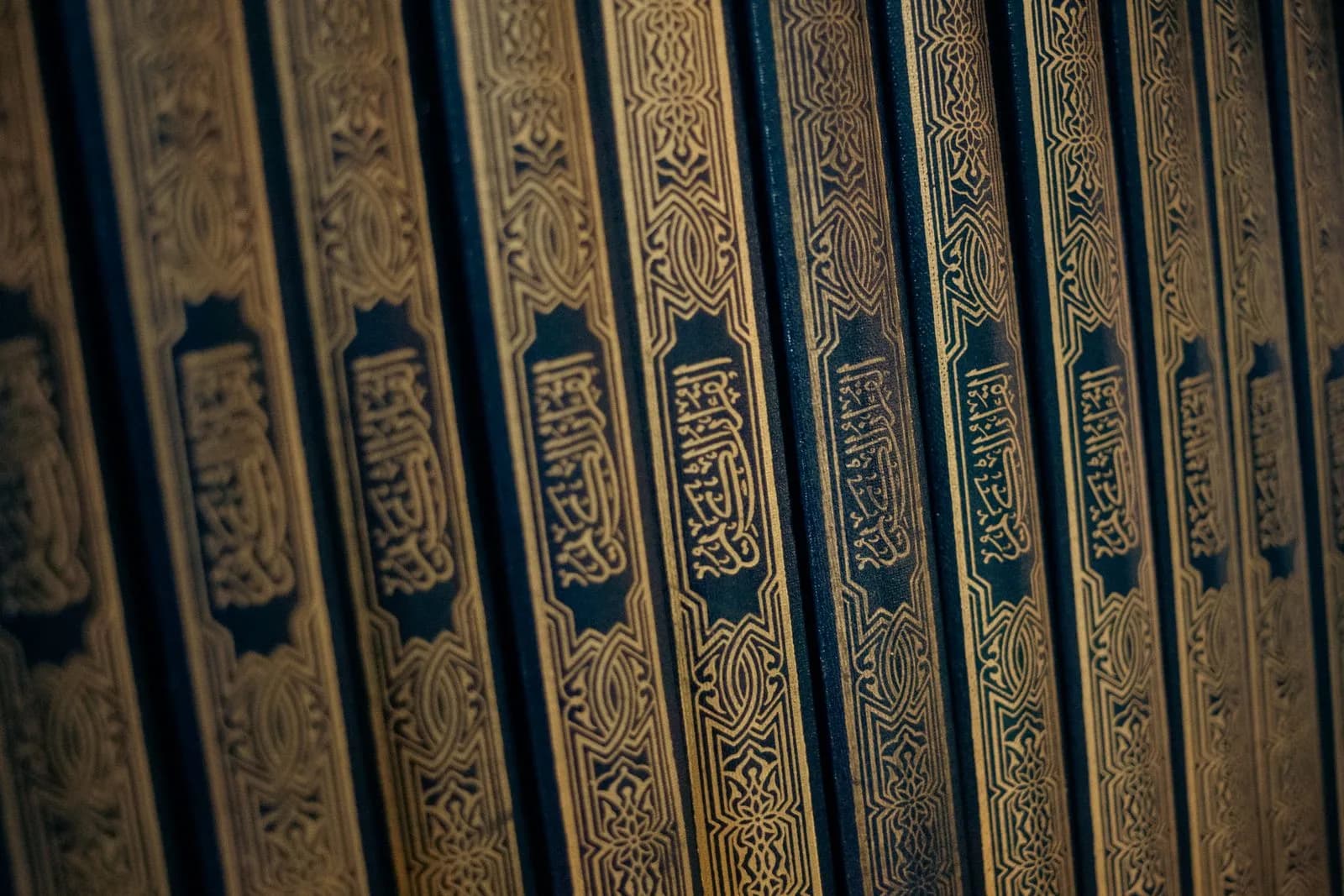
Our righteous predecessors used to say: learn adab before you learn knowledge. The mother of Imam Malik told him as a child to sit in the gathering of Rabi'ah and learn his manners before his knowledge. Sacred knowledge is not an ordinary commodity — it is a light from Allah, and light settles only in a heart purified by etiquette and taqwa.
## Sincerity of intention
The first condition of seeking knowledge is a sincere intention. Knowledge pursued for wealth, fame or victory in debate only deepens the darkness of the heart. The hadith teaches that all deeds are judged by intentions, so the student should examine his heart before every lesson: I am studying only for the pleasure of Allah, for my own practice, and for the service of the ummah.
## Honouring the teacher
Our elders called the teacher a spiritual father. The student who is humble before his teacher, attentive to his words and eager to serve him finds the doors of knowledge opening one after another. History bears witness that those who considered even straightening their teacher's shoes an honour later became the imams of their age. Disrespect towards the teacher strips knowledge of its blessing.
## The company of books
The book is the constant companion of the student. Keeping one's books clean, giving full attention during study, and mastering each day's lesson on the same day were the inseparable habits of our predecessors. Mere attendance in class, without review and revision, is never enough.
## Valuing time and acting upon knowledge
Time is the student's greatest wealth. When every hour from fajr until night is arranged around lessons, revision and recitation, even a student of modest ability advances remarkably. And above all stands one principle: knowledge must become action, for knowledge without practice becomes a burden on the Day of Judgement. May Allah grant us all the ability to seek knowledge with adab and to act upon it. Ameen.